How to Swap BTC to USDC (and USDC to BTC)
Sell Bitcoin for USDC, or buy BTC with stablecoins, with no exchange in the middle. Pick the right chain, get real Bitcoin, and compare what you actually receive.
Quick answer
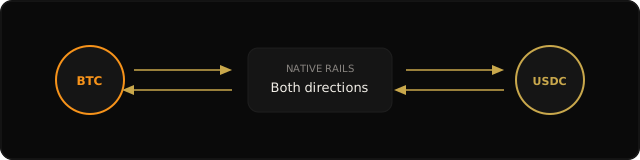
To swap BTC to USDC (sell Bitcoin for dollars) or USDC to BTC (buy Bitcoin with stablecoins), first pick the chain your USDC lives on. Then swap from your own wallet. RAVN does both directions with real Bitcoin, and never holds your funds.
Pick the right USDC chain
USDC lives on many chains. Pick the wrong one and your dollars land somewhere you cannot use them.
- BTC to USDC on Ethereum. Common for DeFi and exchange deposits.
- BTC to USDC on Base, Solana or another supported chain. Pick it only if your next step happens there.
- USDC to BTC. Spend from the chain you actually hold USDC on, and make sure the destination is real BTC.
How to swap BTC to USDC
- Open app.ravn.exchange.
- Pick BTC to USDC, and choose the destination chain carefully.
- Enter the amount and check the USDC you get.
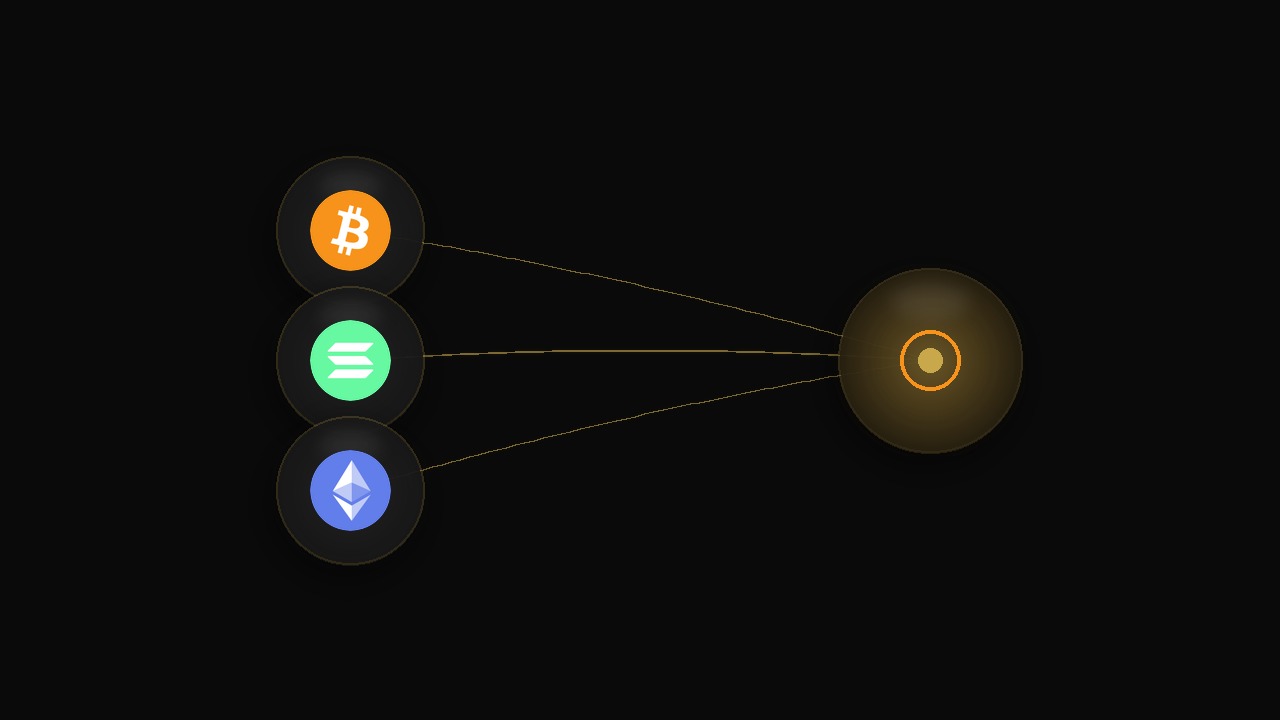
- Send your BTC to the DEPOSIT address the quote gives you. Relay, NEAR Intents, THORChain, Chainflip and Rift race for the swap. Any that do not support the pair sit it out.
- Wait a few minutes for Bitcoin to confirm, then check the USDC landed on the right chain.
Building on the API? Send destinationAddress and refundAddress with the quote, or several venues return a preview you cannot execute. For the BTC deposit, the MCP tool ravn_btc_prepare_send builds the unsigned PSBT.
How to swap USDC to BTC
- Pick USDC on the chain you hold it, and BTC as the destination.
- Make sure that wallet can pay gas on its chain.
- Enter a Bitcoin address you control to receive.
- Do what the quote asks, then check that real BTC arrived.
Exchange vs swapping yourself
| Centralized exchange | RAVN | |
|---|---|---|
| Account | Usually required, often with KYC | Your wallet. No RAVN account holds funds |
| Steps | Deposit, trade, withdraw | Quote, venue settles, lands in your wallet |
| BTC you get | An exchange balance until you withdraw | Real BTC, when you pick it as the destination |
| USDC chain | Often one default network | You choose any supported chain |
Neither is risk free. An exchange can lose or lock your funds. Swapping yourself, you own wallet security and address mistakes.
Worth knowing on stablecoin pairs
- Stablecoin pairs still carry spread and gas.
- Bigger sizes can change which venue wins. Quote again instead of assuming the rate scales.
- App swaps are 0 bps from RAVN, permanently. Integrators set their own fee, from 0 to 100 bps.
Try it in the app
Parallel venues, best execution, canonical assets. RAVN never holds your funds.
FAQ
Can I sell Bitcoin for USDC without KYC?
RAVN has no exchange account to open. You swap from your own wallet. You are still responsible for following the laws where you live.
Which chain should I choose for USDC?
The chain where you will use or withdraw it next. USDC on the wrong chain is one of the most common stablecoin mistakes.
Is USDT supported the same way?
This guide covers USDC. Check the app for USDT and other stablecoins on supported chains.
Does RAVN hold my USDC or BTC?
No. RAVN never holds your funds. Independent venues settle every swap, and RAVN writes no smart contracts of its own.